
Smart home automation predictive AI models for daily routines
Implementing predictive AI models for daily routines has finally moved the smart home beyond the era of glorified remote controls.
We are no longer just setting timers; we are living in environments that learn from us. In 2026, the shift is clear: your home shouldn’t wait for a command.
It should observe, calculate, and act before you even realize you needed it to.
What are predictive AI models for smart homes?
At their core, these models are sophisticated software layers that act as the house’s “nervous system.” They don’t just follow rules; they analyze patterns, when the kettle boils, which rooms stay empty on
Tuesdays, and how long the shower runs. Unlike basic automation, predictive AI models for daily routines use probability to anticipate your next move.
This technology thrives on pattern recognition rather than rigid, manual programming. If you typically dim the lights at 10:00 PM, the AI correlates your phone’s location, the ambient darkness, and your historical habits.
Eventually, the house just “knows.” It’s an invisible hand that adjusts your environment to match your rhythm without you ever touching a screen.
By 2026, these models have become surprisingly nuanced. They factor in external variables like shifting weather fronts or peak-hour energy prices.
The result? A house that isn’t just following a static script, but one that adapts to the messy, unpredictable flow of real life.
How does AI learn your habits without compromising privacy?
There is something understandably unsettling about a house that “watches” you. This is why the move toward “Edge AI” is so critical.
Instead of sending your life story to a distant server, the heavy lifting happens locally, on a hub inside your own walls. Your habits stay yours; they aren’t stored in a cloud for a corporation to analyze.
By processing predictive AI models for daily routines locally, the system focuses on “anonymized events.” It sees a sensor trigger or a power spike, not a person.
It doesn’t need your identity, it only needs to know that “the occupant” usually wants the kitchen warm five minutes after the bedroom motion sensor activates.
For those curious about the protocols making this secure communication possible, the Connectivity Standards Alliance (CSA) offers deep dives into the Matter standard.
This framework ensures that your devices can share these predictive insights across different brands without leaking personal data to the outside world.
Why is predictive automation better than traditional scheduling?
Traditional scheduling is brittle, it breaks the moment your life changes. If you’re stuck in traffic, your “6:00 PM” heating schedule is just burning money in an empty room.
Predictive models solve this through geofencing. The house realizes you are still miles away and delays the climate transition, saving energy by simply paying attention.
This handles “exceptions” far better than any human could program. If a sudden cold snap hits, the AI might decide to pre-heat the floors an hour earlier.
This level of granular, automated decision-making is why predictive AI models for daily routines are no longer just for tech enthusiasts; they are becoming essential for sustainable, modern living.
The real triumph here is the elimination of “app fatigue.” We’ve all spent too much time toggling fifty different settings.
Predictive AI makes the technology disappear. It turns your home into an invisible butler that manages the trivial details so you don’t have to.
Which sensors are essential for high-accuracy AI modeling?
To build a reliable model, your AI needs more than just smart bulbs. It needs a sensory web that understands presence, not just motion.
In 2026, we’ve moved toward mmWave sensors because they can detect the slight rise and fall of a chest while breathing, preventing the lights from turning off just because you’re reading quietly on the sofa.
| Sensor Type | Data Provided | Role in Predictive AI | Accuracy Level |
| mmWave Presence | Micro-movements | Confirms room occupancy even when still | 99% |
| Ambient Light | Lux levels | Balances artificial light with the sun | 95% |
| Smart Plugs | Power draw | Predicts appliance usage cycles | 90% |
| Air Quality (VOC) | Particulates | Automates air purification and airflow | 98% |
| Multi-Zone Thermo | Room-by-room temp | Targets HVAC only to occupied zones | 96% |
How can you start implementing these models today?
You don’t need a total renovation to get started. Most modern hubs now feature “learning modes.”
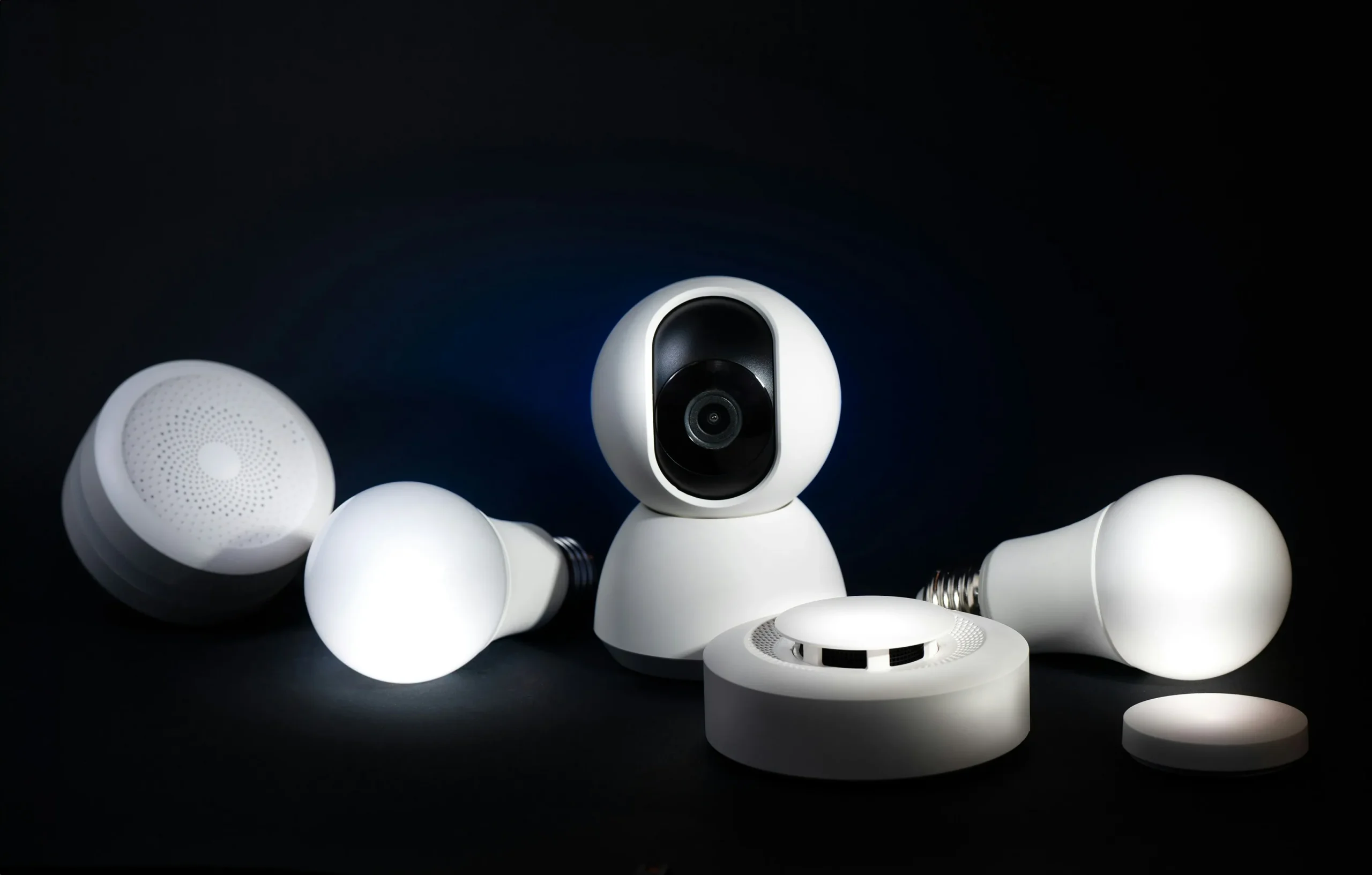
You simply use your devices as you normally would for a few weeks, allowing the predictive AI models for daily routines to establish a baseline.
It’s like breaking in a new pair of shoes; the system needs to mold itself to your specific gait.
Once it has the data, the AI starts offering proactive suggestions. You might get a notification asking, “I’ve noticed you close the blinds whenever the TV turns on; should I just do that for you?”
This “human-in-the-loop” phase is vital. It builds trust and ensures the AI understands the why behind your actions, not just the what.
Read more: Smart home automation built on semantic home models
As you approve these small wins, the system gains confidence. Eventually, you can hand over the keys to specific zones like lighting or climate.
This gradual rollout makes the transition feel like a natural evolution of your home rather than a sudden, jarring intrusion into your privacy.
What are the energy-saving benefits of predictive AI?
Energy management is where the AI truly pays for itself. In 2026, smart grids are increasingly volatile.
A predictive home can “pre-cool” itself at 2:00 PM when solar energy is abundant and rates are low, allowing the AC to sit idle during the expensive 6:00 PM peak. It’s financial strategy disguised as automation.
Learn more: Energy-efficient smart homes: savings through technology
By analyzing predictive AI models for daily routines, the system identifies “vampire loads”, those devices that suck power while you sleep, and kills them.
It knows exactly when you’ll return, re-engaging them just in time. This kind of micro-management can slash electricity bills by up to 25%, making it a core pillar of the green energy transition.
For those wanting to understand the broader impact, the U.S. Department of Energy (DOE) provides excellent resources on how these automated systems help stabilize the national grid.
It turns out that your smart thermostat isn’t just a luxury; it’s a tool for collective resilience.
The future of the proactive household
The evolution of the smart home is no longer a hardware race, it’s a race for intelligence. As predictive AI models for daily routines mature, our homes will start to feel less like machines and more like supportive partners.
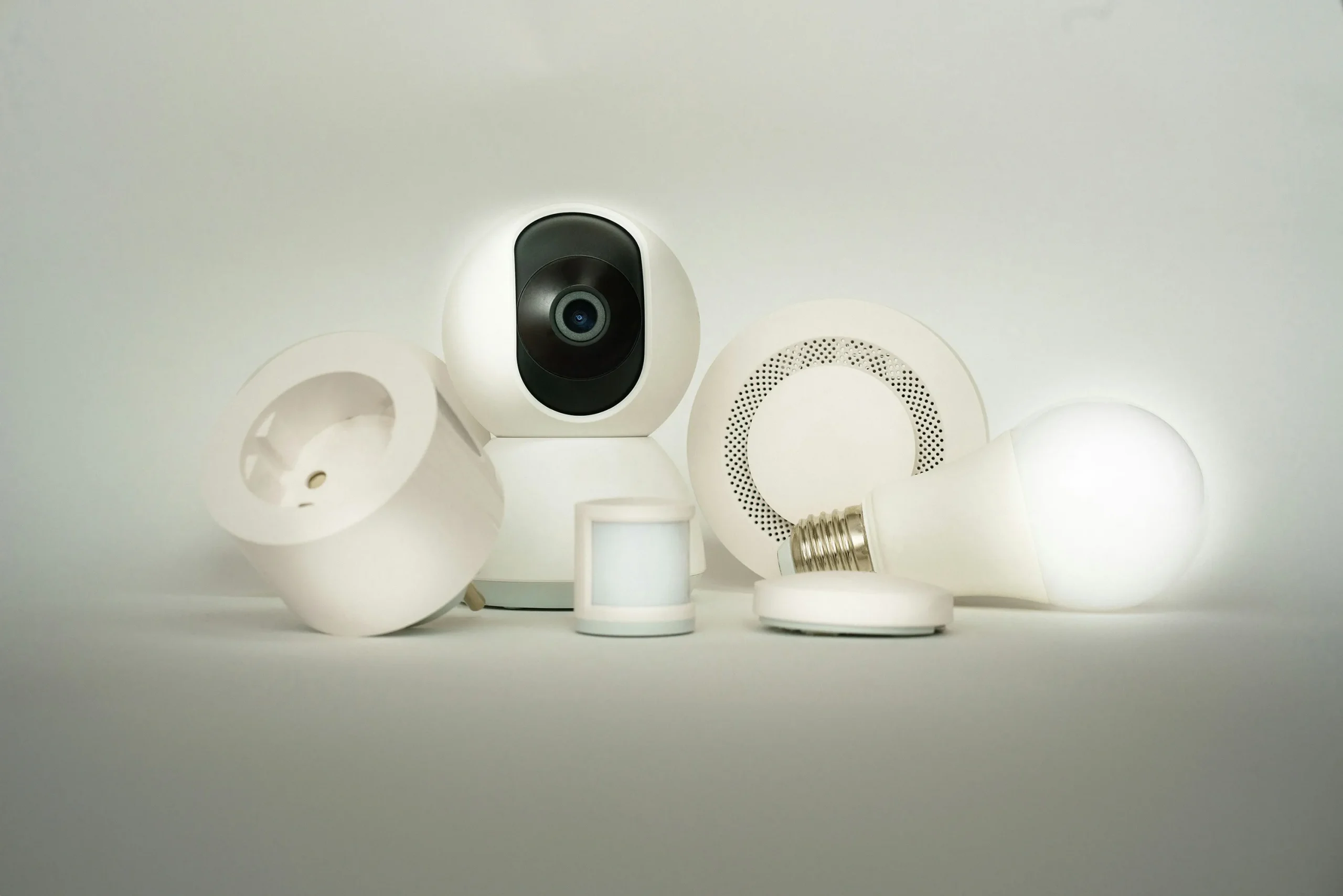
We are heading toward a future where technology doesn’t demand our focus, but instead works quietly in the background to give us our time back.
Investing in these frameworks isn’t about buying more gadgets; it’s about curating a space that actually understands what it means to live there.
FAQ: Predictive AI for Smart Homes
Can the AI tell different family members apart?
Yes. Modern hubs use a mix of phone signals, facial recognition, and even unique walking patterns (gait analysis) via mmWave sensors to tailor lighting and temperature to whoever is in the room.
What happens if my internet goes down?
If your hub is built for “Edge AI,” your routines will keep running. Only things that need external data—like adjusting your blinds based on a cloud-based weather forecast—might be temporarily limited.
Is it hard to override the AI?
Manual control is always the boss. If you manually flip a switch that the AI turned off, the model treats that as a “correction.” It learns from its mistake and adjusts the probability for the next time.
Does this use a lot of my Wi-Fi bandwidth?
Surprisingly little. The sensors send tiny bits of data (mostly on/off states or temperature numbers). The real work happens in the hub’s processor, not in the data stream itself.
Will the AI get “confused” if I change my job?
Lifestyle drift is real. Most 2026 models have a “re-learn” feature. If your schedule changes, you can trigger a fresh learning period, allowing the AI to purge old habits and adapt to your new life.
