
Automating Heating & Cooling Based on Occupancy Sensors + Micro-Location Data
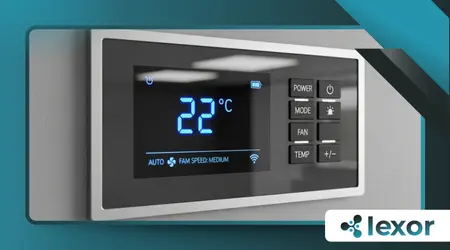
Automating Heating & Cooling Based on Occupancy Sensors is the definitive frontier for homeowners seeking to merge peak thermal comfort with unprecedented energy efficiency in 2025.
This technical evolution moves beyond simple programmable thermostats, utilizing real-time environmental data to ensure that energy is never wasted on empty rooms.
Summary of Contents
- The Shift to Presence-Based HVAC: Understanding the fundamental mechanics.
- How Occupancy Sensors Work: From PIR to advanced mmWave technology.
- The Power of Micro-Location: Precision tracking for personalized comfort.
- Why Automation Matters: Analyzing the economic and environmental impacts.
- Integration Strategies: Connecting sensors with existing smart ecosystems.
- Real-World Data: Efficiency gains through automated climate control.
- Frequently Asked Questions: Expert answers to common technical queries.
What is Automating Heating & Cooling Based on Occupancy Sensors?
Modern climate control focuses on dynamic responsiveness rather than static schedules that often fail to reflect our fluid daily lives.
This technology uses specialized sensors to detect human presence, instantly adjusting the temperature settings of a specific zone or room.
By automating heating & cooling based on occupancy sensors, the system transitions from a “set it and forget it” mentality to an intelligent, proactive service.
++Modular Blockchains Explained: Why Rollups, DA Layers and Execution Layers Matter
It minimizes the thermal footprint of unoccupied spaces while ensuring your preferred climate greets you the moment you walk through the door.
How Does Micro-Location Data Enhance HVAC Efficiency?
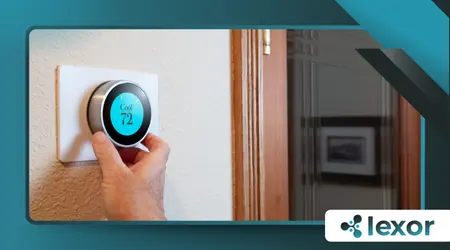
Micro-location data provides a granular layer of intelligence that standard motion sensors simply cannot match, identifying exactly who is in a room.
While a basic sensor detects movement, micro-location uses Bluetooth Low Energy (BLE) or Ultra-Wideband (UWB) to track specific device proximity within centimeters.
This level of precision allows the HVAC system to distinguish between a pet and a human, or even between different family members.
If you prefer 22°C but your partner prefers 20°C, the system adjusts based on who is currently in the room.
Why Should You Switch to Occupancy-Based Climate Control?
The primary driver for this transition is the significant reduction in utility costs without sacrificing the luxury of a perfectly tempered home.
++Security Flaws You Don’t Know You Have: How Hackers Target Smart Homes
Traditional systems waste vast amounts of energy heating hallways or guest rooms that remain empty for the majority of the day.
Implementing automating heating & cooling based on occupancy sensors allows for “zonal intelligence,” which directs airflow only where it provides immediate value.
Furthermore, reducing the runtime of your furnace or air conditioner extends the mechanical lifespan of your expensive HVAC hardware significantly.
Which Sensors are Best for Smart HVAC Integration?
Choosing the right hardware is critical for success, as different sensors offer varying levels of reliability regarding static presence detection.
Passive Infrared (PIR) sensors are common, but often fail if a person is sitting still while reading or working at a desk.
For superior results in 2025, many experts recommend mmWave radar sensors, which detect the slight movement of a person’s breathing.
These sensors ensure the system remains active even during periods of low physical activity, preventing the “lights out” effect in climate control.
For more technical specifications on sensor hardware standards, the Matter Smart Home Protocol provides comprehensive guidelines on device interoperability and security.
++How the Matter Protocol Makes Smart Home Devices Finally Play Nice Together
When is the Ideal Time to Install These Systems?
The best opportunity to integrate advanced occupancy sensing is during a smart home upgrade or when replacing an aging HVAC unit.
However, many modern smart thermostats, like those from Ecobee or Nest, allow for the easy addition of wireless remote sensors anytime.
Homeowners planning a renovation should consider hardwired sensors to ensure maximum reliability and to avoid the ongoing maintenance of changing batteries.
Transitioning to automating heating & cooling based on occupancy sensors is a scalable process that can start with a single room.
What are the Main Challenges of Micro-Location Data?
Privacy remains a significant concern for many users, as tracking movement within a home requires a high level of data security.
Reliable systems process this information locally on a bridge or hub rather than sending sensitive movement logs to the public cloud.
Another hurdle is “false triggers,” where a robotic vacuum or a large dog might inadvertently activate the heating system in an empty room.
High-quality software algorithms and AI-driven filtering are now essential to distinguish between human occupants and environmental “noise” or pets.
Comparative Analysis: Occupancy Sensing vs. Traditional Scheduling
| Feature | Manual Scheduling | Occupancy Sensing (PIR) | Micro-Location (UWB/BLE) |
| Energy Savings | 5-10% | 15-25% | 25-35% |
| Comfort Level | Static | Reactive | Predictive & Personalized |
| Installation Cost | Low | Medium | High |
| Response Time | None (Pre-set) | 1-5 Minutes | Instantaneous |
| Pet Immunity | N/A | Low/Moderate | High (Logic-based) |
How to Configure Your Smart Home for Maximum Savings?
Start by defining “Home,” “Away,” and “Sleep” states within your automation hub, then layer your occupancy triggers over these foundational modes.
Use a “wait time” of ten to fifteen minutes before lowering the temperature to ensure someone hasn’t just left the room briefly.
Integrating automating heating & cooling based on occupancy sensors with smart blinds can further enhance efficiency by managing solar heat gain.
In the summer, your system can close the shades in empty, sun-drenched rooms to prevent the AC from working harder.
The Role of Artificial Intelligence in Future HVAC Trends
As we progress through 2025, AI is becoming the “brain” that interprets micro-location data to predict your movements before they actually happen.
Machine learning models analyze your historical patterns to pre-heat the home office just minutes before your scheduled morning meeting begins.
This predictive capability removes the lag time often associated with reactive sensors, creating a seamless environment that feels intuitively comfortable.
The goal of automating heating & cooling based on occupancy sensors is to make the technology invisible while maximizing your home’s performance.
Is DIY Installation Feasible for Advanced Micro-Location?
Many consumer-grade kits now offer “plug-and-play” micro-location via smartphone apps, making basic setup accessible for the average tech-savvy homeowner.
However, complex multi-zone systems involving dampers and variable-speed compressors often require professional calibration by a certified HVAC technician.
Ensuring that your sensors communicate effectively across different brands requires a central hub that supports the latest communication protocols like Thread.
Properly automating heating & cooling based on occupancy sensors requires a stable network foundation to prevent frustrating connectivity drops or system delays.
Conclusion: The Future of Responsible Home Comfort
Embracing automating heating & cooling based on occupancy sensors is no longer a futuristic concept but a practical necessity for sustainable living.
By centering our climate control around actual human presence rather than arbitrary clocks, we significantly reduce carbon footprints and monthly expenses.
The synergy between micro-location data and smart HVAC hardware creates a home that truly understands its inhabitants’ needs.
As energy costs continue to fluctuate, investing in presence-aware technology remains one of the smartest upgrades any homeowner can make this year.
For further reading on the environmental impact of residential energy efficiency, visit the U.S. Department of Energy for data-driven insights and tips.
FAQ: Frequently Asked Questions
Can occupancy sensors work with older HVAC systems?
Yes, you can often bridge the gap using a smart thermostat that is compatible with your older furnace and adding wireless occupancy sensors.
Do I need a sensor in every single room?
While not mandatory, placing sensors in high-traffic areas like the kitchen, living room, and bedrooms yields the highest energy savings and comfort levels.
Does micro-location tracking drain my phone battery?
Modern BLE and UWB protocols are designed to be extremely energy-efficient, typically resulting in negligible battery drain on most contemporary smartphones and wearables.
What happens if the internet goes down?
Most high-end smart home hubs process occupancy logic locally, meaning your automating heating & cooling based on occupancy sensors will continue to function without web access.
Are these sensors safe for my privacy?
Choosing systems that prioritize local processing ensures that your movement data stays within your home network and is not shared with third-party advertisers.
