Virtual reality applications for simulation-based hiring
The adoption of simulation-based hiring through virtual reality has fundamentally altered the corporate recruitment landscape in 2026, moving beyond traditional interviews into immersive competency assessments.
Companies no longer rely solely on a candidate’s ability to describe their past; they now observe their future performance in a controlled, high-fidelity digital environment.
This shift addresses the persistent “skills gap” by providing objective data on how a person solves problems under pressure.
VR applications allow recruiters to simulate complex scenarios, from emergency room triage to deep-sea rig repairs, without the physical risks or logistical costs.
In this article, we will explore the mechanisms of immersive selection, the measurable impact on employee retention, and why the “experience economy” is now the gold standard for talent acquisition.
By the end, you will understand how these technologies are making the hiring process more equitable and efficient for everyone involved.
What is simulation-based hiring in a virtual environment?
At its core, this method involves placing a job applicant inside a 360-degree, interactive world designed to mirror their potential daily work environment.
Unlike a written test, these simulations track micro-behaviors, such as gaze direction, hand steadiness, and decision-making speed, providing a holistic view of professional readiness.
In 2026, recruiters use these headsets to bypass the “polished resume” effect.
It is easy to write about being a team player, but it is much harder to fake collaborative problem-solving when an avatar-led crisis occurs in real-time.
This level of immersion creates a “work sample” that is statistically more reliable than any verbal explanation.
How does VR technology improve the quality of new hires?
Virtual reality allows for the testing of “soft skills” in ways that were previously impossible. For instance, a candidate for a customer service role might face a simulated irate client.
The VR system captures subtle cues in the candidate’s response that an interviewer might miss.
There is something inquietante about how many firms still rely on 19th-century interview styles; we often hire based on charm rather than actual capability.
By shifting to simulation-based hiring, organizations can identify high-potential individuals who may lack a traditional pedigree but possess natural aptitude.
This democratizes the process, focusing on what an individual can actually do rather than where they went to school.
It is a win for both meritocracy and diversity, moving recruitment from a game of keywords to a test of true talent.
Why are high-risk industries leading the VR recruitment charge?
Industries like aviation, medicine, and manufacturing cannot afford the “trial and error” approach common in office-based roles.
For them, a mistake during training or a poor hiring choice can lead to catastrophic consequences. VR provides a safe sandbox for these critical evaluations, where the only thing at risk is a digital asset.
The psychological concept of “presence” in VR ensures that the candidate’s physiological responses are genuine.
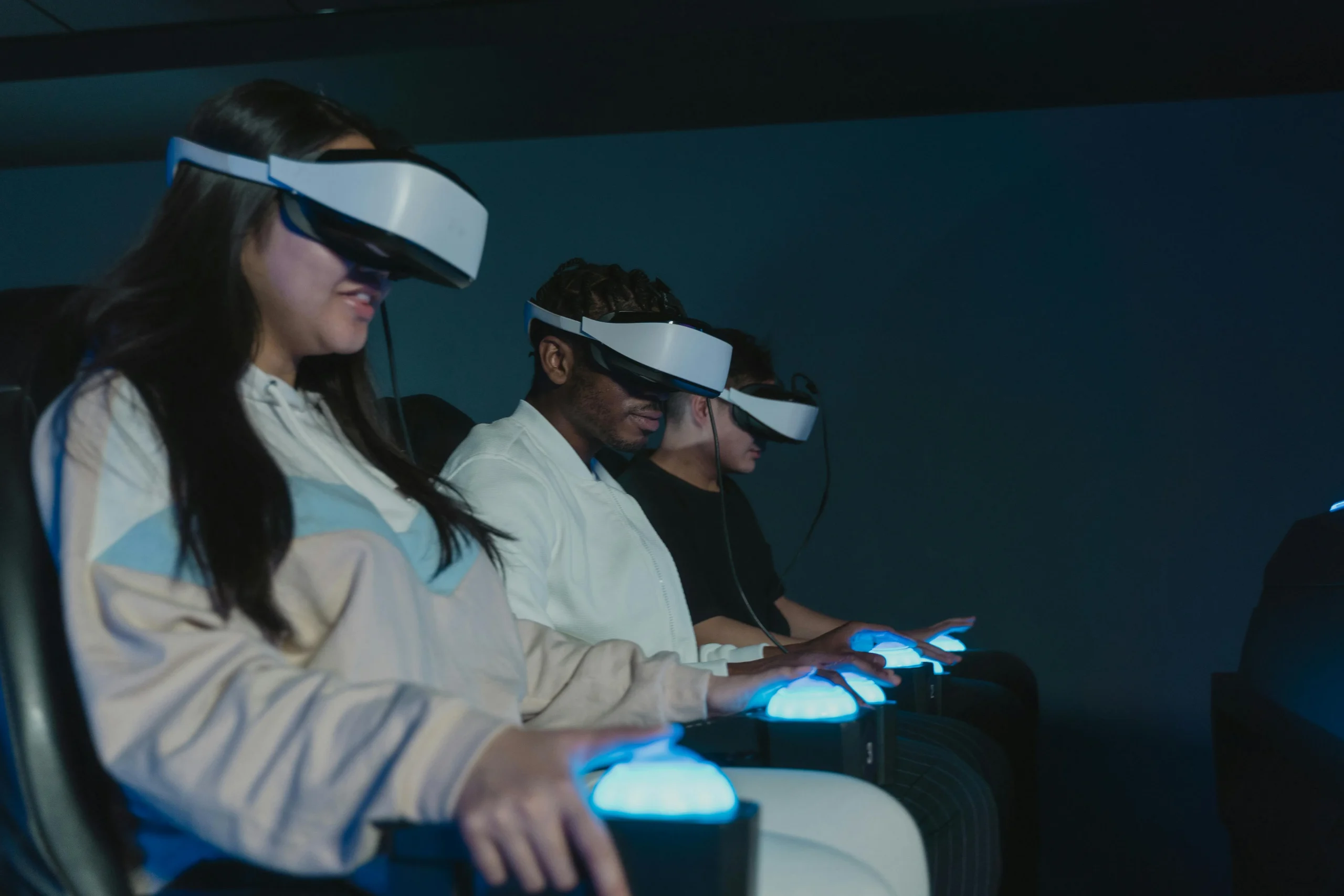
If a technician remains calm while a simulated turbine fails, it is a strong indicator they will handle a real-world emergency with similar composure.
This predictive power is why specialized firms are now mandating VR assessments before any physical site visits.
For a deeper dive into how immersive technologies are reshaping labor standards, the Society for Human Resource Management (SHRM) provides extensive research on digital transformation and its impact on the modern global workforce and hiring ethics.
Traditional Interviews vs. VR Simulation Hiring
| Feature | Traditional Interview | VR Simulation Assessment | Impact on Retention |
| Primary Data Source | Verbal self-reporting | Real-time behavioral data | High |
| Bias Susceptibility | High (Interviewer bias) | Low (Standardized metrics) | Very High |
| Time to Competency | Longer (Post-hire training) | Shorter (Pre-vetted skills) | Medium |
| Candidate Engagement | Low to Moderate | Extremely High | High |
| Predictive Validity | ~15% – 20% | ~60% – 75% | Very High |
Which soft skills are most effectively tested via VR?
Leadership and conflict resolution are notoriously difficult to measure through conversation.
In a VR simulation, a candidate might be tasked with leading a digital team through a time-sensitive project where the “team members” are programmed with distinct personality traits, including potential for friction.
Read more: Virtual Reality in Job Interviews and Recruitment
This application of simulation-based hiring reveals how a person delegates tasks, handles pushback, and maintains morale under stress.
The data collected provides a narrative of their management style that is grounded in action. It moves the conversation from “Tell me about a time you led a team” to “We saw how you actually led that team.”
When should a company invest in VR recruitment tools?
The initial setup for VR-based hiring involves costs for hardware and custom software development. However, for companies hiring at scale or for specialized technical roles, the return on investment is realized through the dramatic reduction in turnover rates.
A “bad hire” is often more expensive than the most sophisticated headset.
Learn more: How VR Is Used in Space Exploration and Training
Early adopters often find they attract top-tier tech talent who see the advanced hiring process as a reflection of the company’s commitment to innovation.
It’s a branding exercise as much as a selection tool. When a candidate sees that you value objective performance enough to invest in these tools, it sets a professional tone before they even sign the contract.
How does VR hiring impact the candidate’s perspective?
Candidates often report feeling more empowered by VR assessments.
They get a “realistic job preview” (RJP), which helps them decide if the role is actually a good fit for their skills and temperament.
Learn more: VR Training for High-Risk Jobs: How Simulations Reduce Errors in Real-World Scenarios
This transparency prevents the culture shock that often leads to early-stage resignations.
The interactive nature of the assessment is inherently memorable. In a competitive labor market, the hiring process itself is a tool for differentiation.
A company that uses VR signals that it values objective performance and is willing to move past the “guesswork” of the standard HR playbook to find a genuine cultural and technical fit.
What is the future of AI-driven simulation-based hiring?
As we move toward 2027, the integration of generative AI with VR will allow for even more fluid and unpredictable simulations.
NPCs will be able to have complex, unscripted conversations with candidates, testing their adaptability and verbal communication in ways that static scripts never could.
The ethical use of this data is paramount. Companies must ensure that the algorithms used to score VR performance are transparent and free from encoded prejudices.
When done correctly, this technology represents the most significant step forward in human resources since the invention of the aptitude test.
Finalizing your recruitment strategy with immersive tools ensures that you are not just hiring a resume, but a proven performer.
For more information on the technical standards for VR in professional settings, the Institute of Electrical and Electronics Engineers (IEEE) offers comprehensive documentation on virtual reality protocols.
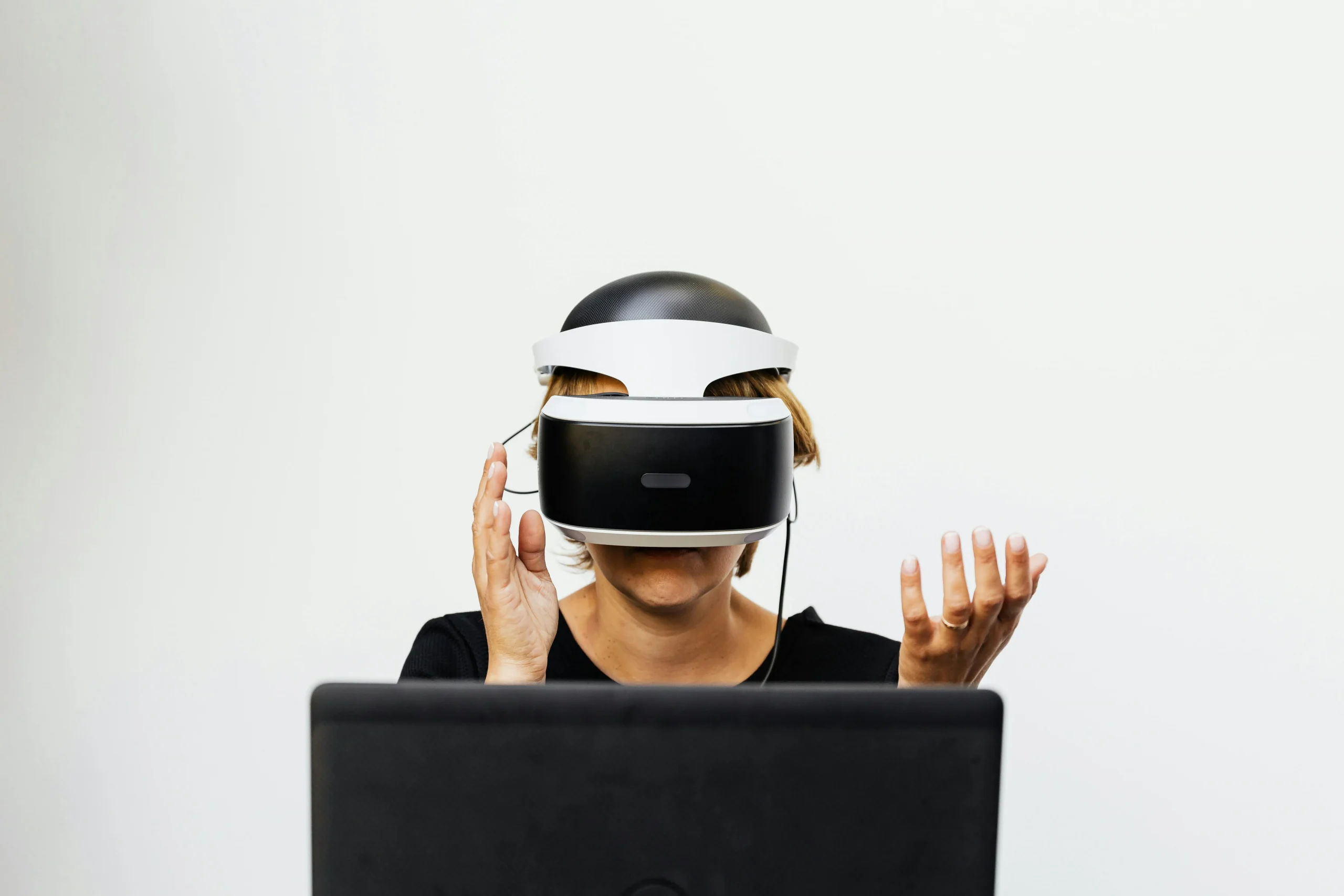
The era of guessing who the best candidate might be is closing; we can now simply see them in action. Investing in VR today is an investment in the long-term stability and excellence of your workforce.
By bridging the gap between digital simulation and physical reality, we are creating a fairer and more exciting world of work.
FAQ: Frequently Asked Questions
Is VR hiring only for tech companies?
Absolutely not. While tech firms were early adopters, the retail, hospitality, and healthcare sectors are now using VR to test empathy, multitasking, and procedural knowledge. Any role that requires a specific set of repeatable or high-stakes skills can benefit from a simulation-based approach.
Does VR cause “motion sickness” during the interview?
In 2026, high-refresh-rate screens and optimized software have largely eliminated latency-related motion sickness. Most recruitment simulations are “room-scale” or stationary, which significantly reduces the risk of discomfort for the candidate compared to fast-paced gaming environments.
How long does a typical VR hiring simulation last?
Most assessments are designed to be concise, typically ranging from 15 to 30 minutes. This is often enough time to gather more objective behavioral data than a standard hour-long conversation, making the entire hiring funnel significantly faster for both parties.
Can candidates “game” the system or fake their performance?
It is much harder to “game” a VR simulation than a personality quiz or a verbal interview. Because the system tracks physical movements and reaction times in a 360-degree environment, faking a complex skill becomes nearly impossible under the pressure of a real-time, immersive task.
Is the data from VR assessments private?
Reputable companies treat VR data with the same strict confidentiality as medical or financial records. Under current 2026 data protection standards, candidates must provide explicit consent for their behavioral metrics to be stored, and this data is typically used only for the specific hiring decision at hand.
