
How to Design VR Environments for Neurodiverse Users (Autism, ADHD, Sensory Sensitivities)
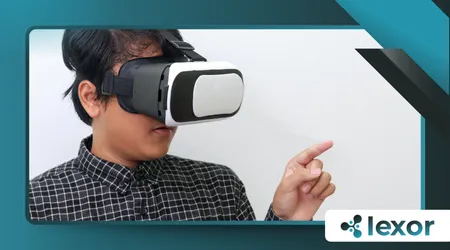
To Design VR Environments for Neurodiverse Users, focusing on accessibility and comfort for individuals with conditions like Autism, ADHD, and Sensory Sensitivities is paramount.
Virtual Reality (VR) promises immersive experiences, yet its current design often overlooks the unique perceptual and processing needs of the neurodiverse community.
We must transition from a one-size-fits-all approach to one rooted in thoughtful, inclusive design principles.
This shift ensures VR becomes a therapeutic, educational, and recreational tool for everyone, rather than a source of distress.
Inclusive design recognizes that a significant portion of the population experiences the world differently.
For neurodiverse individuals, standard VR design elements—like high-contrast visuals, sudden loud noises, or rapid motion—can be overwhelming sensory inputs.
Failing to account for these sensitivities is not just an oversight; it actively excludes users.
By prioritizing adaptable and calm virtual spaces, we unlock the profound potential of VR for learning social skills or managing anxiety.
What Are the Core Sensory Challenges Neurodiverse Users Face in VR?
Neurodiverse users often face sensory processing differences that standard VR exacerbates. These challenges manifest across visual, auditory, and movement domains, demanding careful mitigation.
Visual and Auditory Sensitivities: How Can We Reduce Overstimulation?
Visual overstimulation in VR stems from excessive brightness, flickering, or clutter. Auditory discomfort comes from sudden, unpredictable, or high-frequency sounds.
++Using AR Objects to Teach Abstract Concepts in Early Math (Shapes, Fractions, Patterns)
Designers should offer customizable display options and granular control over soundscapes.
Mitigating Motion Sickness and Disorientation: What Design Choices Help?
Proprioceptive and vestibular sensitivities can make standard VR movement systems deeply unpleasant, triggering simulator sickness.
Designers must offer multiple navigation options, including teleportation and gentle, predictable motion. A fixed, comfortable reference point in the virtual space helps ground the user.
What Key Principles Should Guide VR Design for Neurodiverse Accessibility?

Creating truly effective and comfortable virtual environments requires adherence to specific, empathetic design principles.
++VR for rehabilitation and mental health: how immersive therapies work
These guidelines move beyond basic accessibility to focus on cognitive and sensory well-being.
Customization and Control: Why Is User Agency Crucial?
The most critical principle is maximizing user control over their environment. An individual should be able to adjust every element—from color palette and texture complexity to ambient noise levels.
This personalized agency transforms a potentially stressful experience into a safe, controlled interaction.
The Power of Low-Sensory Environments: What Does a Calming Space Look Like?
A low-sensory environment uses muted colors, simple geometric shapes, and gentle, predictable ambient sounds.
Think of it as a virtual safe harbor, a deliberate contrast to the noisy real world. This approach reduces cognitive load and fosters relaxation.
Predictability and Structure: How Does Routine Aid Understanding?
For users who benefit from structure (often those with Autism or ADHD), predictability is key.
++Virtual Reality in Hospitality: Enhancing Guest Experiences
Clear, consistent interface elements, predictable environmental physics, and explicit instructions minimize anxiety. A stable environment supports focus and learning.
How Can Designers Design VR Environments for Neurodiverse Users Effectively?
Effective design involves specific technical and aesthetic considerations to ensure comfort and engagement for every user. We must apply informed, practical solutions.
Creating a Social Skills Training Module
Consider a VR social skills training module. Instead of a busy virtual café, the scene is a minimalist, quiet room with adjustable wall colors and lighting.
Characters move and speak slowly, and the user can press a “Pause” or “Reduce Volume” button instantly. This allows the user to process the interaction at their own pace.
Designing a Focus-Enhancing Workspace
For an ADHD user needing a focus space, the VR environment is a simple, quiet virtual office space. They can choose between a gentle, pulsing ambient light or complete darkness.
Crucially, a digital whiteboard helps manage tasks without physical distractions.
Incorporating Real-World Data: A Call for Evidence-Based Design
A 2023 study published in Frontiers in Virtual Reality highlighted the need for personalized stimuli.
++Learning experience design of verbal prompts in virtual reality-based training for autistic children
Researchers found that allowing autistic participants to self-regulate ambient sound in a VR training scenario significantly improved task performance and reduced stress indicators.
This evidence underscores the necessity of granular user control.
Think of designing for neurodiversity like working with a sophisticated sound mixing board. A typical user only needs the master volume knob.
A neurodiverse user needs access to every single fader: bass, treble, reverb, individual track volume, and more.
Giving them this detailed control allows them to fine-tune the sensory input to their optimal comfort zone.
What Are the Practical Steps to Design VR Environments for Neurodiverse Users Now?
The path to inclusive VR design requires concrete steps, incorporating feedback loops and standardized testing protocols.
| Design Principle | Implementation Strategy | Neurodiverse Benefit |
| Sensory Control | Slider for Global Brightness (0-100%), Color Filter Options (e.g., sepia mode) | Reduces Visual Stress, Manages Intensity |
| Motion Options | Teleportation as Default, Variable Speed Control for Smooth Locomotion | Eliminates Simulator Sickness/Vestibular Discomfort |
| Auditory Management | Independent Volume for Voice, Effects, and Background Music/Ambient Noise | Prevents Auditory Overload and Startle Responses |
| Cognitive Clarity | Consistent Icons, Minimal Heads-Up Display (HUD), Simple Textures | Reduces Cognitive Load and Confusion |
How Can We Get Feedback From the Target Audience?
The most important step in the design process is co-creation with the neurodiverse community. Design teams should include neurodiverse individuals as consultants and beta testers.
Their firsthand feedback is invaluable for creating truly accessible experiences.
The Financial and Ethical Imperative
Excluding a significant user base is a poor business decision. Roughly 1 in 7 people globally are considered neurodivergent, representing a massive, underserved market.
Ethically, we must ensure technology is an enabler, not a barrier. Is our goal truly to empower, or just to entertain?
Conclusion: A Future Shaped by Inclusive VR
The future of Virtual Reality lies in its ability to adapt to the individual. Moving forward, the conversation must shift from “if” we should adopt inclusive design to how to Design VR Environments for Neurodiverse Users as a standard practice.
By prioritizing agency, predictability, and low-sensory options, we ensure VR technology lives up to its promise as a powerful, transformative tool for everyone, regardless of their cognitive profile.
Inclusive design is simply great design.
Frequently Asked Questions
What is low-sensory design in VR?
Low-sensory design in VR focuses on creating environments with minimal, predictable, and adjustable stimuli. This includes using muted color palettes, gentle and consistent ambient sounds, and eliminating sudden visual or auditory events to prevent overstimulation.
Does VR help with social skills for autistic individuals?
Yes, many studies and applications show that VR can be an effective, safe, and repeatable training environment for social skills. It allows users to practice interactions in a low-pressure, controlled setting where they can pause or repeat scenarios as needed.
What is the biggest barrier to VR adoption for neurodiverse users?
The primary barrier is the lack of sensory and motion control customization in most commercial VR applications, which often leads to discomfort, anxiety, or motion sickness for individuals with sensory processing differences.
