
AI-Driven Scheduling Tools That Optimize Attention Windows in Young Learners
The implementation of AI-Driven Scheduling Tools represents a significant leap in neuro-education by finally aligning complex curriculum demands with the biological reality of cognitive fatigue.
In 2026, educational technology has moved beyond static, colored blocks on a screen.
We are now seeing dynamic systems that recognize attention is not a constant faucet you can just turn on; it is a fluctuating wave heavily influenced by circadian rhythms and individual brain chemistry.
What is an attention window in early childhood development?
An attention window is essentially the specific duration a child can maintain executive function before cognitive overload kicks in.
By 2026, the scientific consensus is clear: these windows aren’t just “short,” they are highly temperamental.
They are dictated by everything from age and neurodivergence to how well the child slept or what they ate for breakfast.
Traditional education has historically ignored these biological constraints, forcing kids into a “one-size-fits-all” schedule that often leads to avoidable meltdowns.
There is something unsettling about clinging to these rigid, industrial-era systems when AI-Driven Scheduling Tools can now map unique cognitive windows with mathematical precision.
How do AI-Driven Scheduling Tools identify peak focus?
Modern software uses machine learning to look past the surface. It analyzes engagement patterns, response times, and even the subtle pauses between tasks.
By processing this data, the AI constructs a “cognitive heatmap” for each student.
This allows the system to predict exactly when a specific child is most receptive to high-load subjects like mathematics or second languages.
These platforms aren’t just moving blocks around on a calendar. They actively sense when a child’s focus is flagging through subtle interaction cues.
This real-time adaptation ensures that the hardest mental lifting never happens during that inevitable post-lunch energy dip, keeping the learning experience fluid rather than frustrating.
Why is biological alignment better than fixed school timetables?
Fixed timetables are a relic of administrative convenience, not developmental need. They often place demanding subjects during periods of low alertness just because “that’s when the room was free.”
Adaptive scheduling respects “ultradian rhythms”, those natural cycles of energy and recovery that are far more volatile in a developing child than in a fully grown adult.
Read more: Digital Portfolios for Preschoolers: How Schools Are Using Data Instead of Grades
When we align the hardest work with the brightest mental states, we essentially lower the barrier to entry for complex topics.
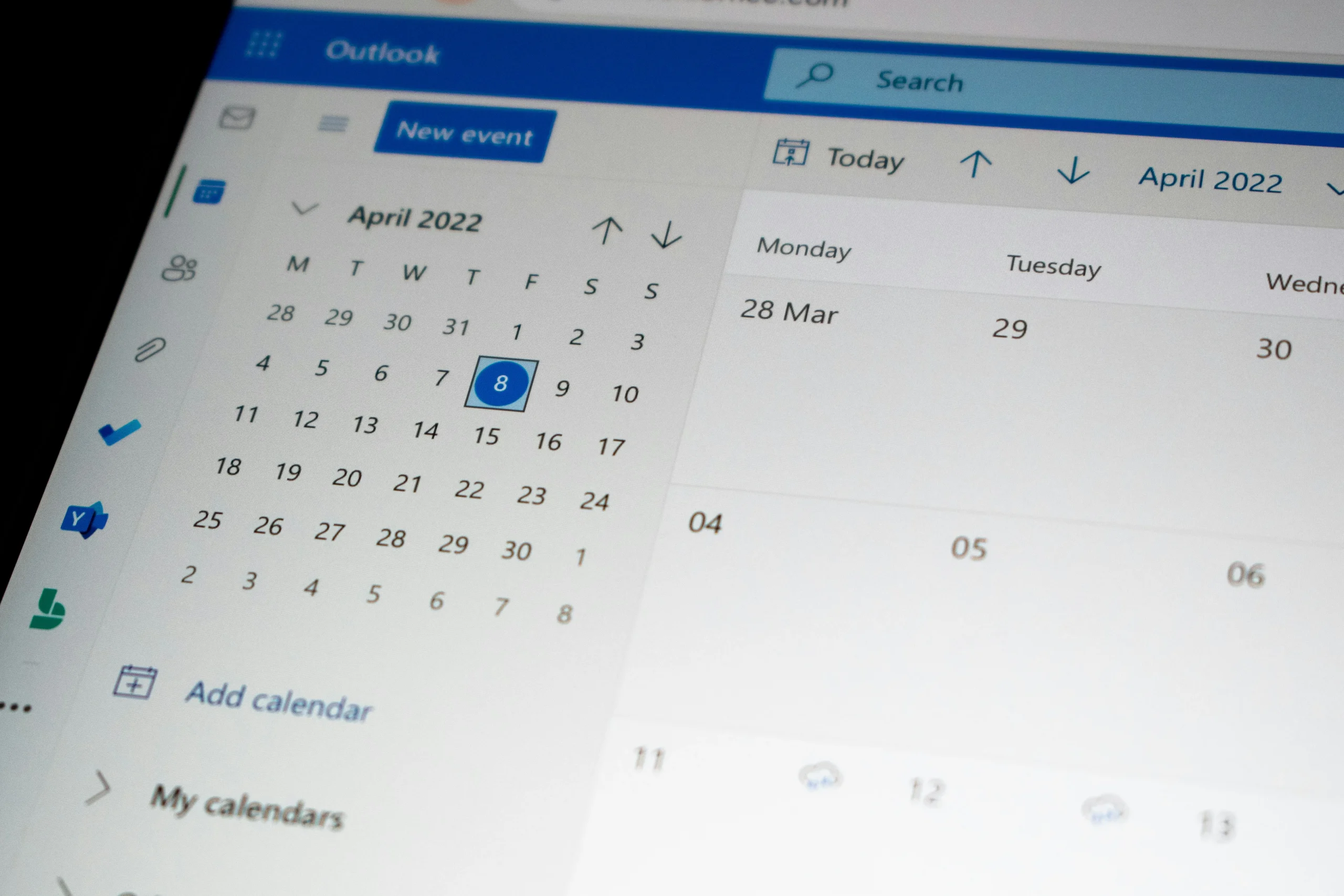
Using AI-Driven Scheduling Tools ensures that school feels less like a race against an indifferent clock and more like a tailored journey that respects the child’s internal pace.
Traditional vs. AI-Adaptive Scheduling (2026)
| Feature | Traditional Fixed Schedule | AI-Adaptive Learning Flow | Retention Improvement |
| Pacing | Teacher-led, uniform speed | Student-led, variable speed | +35% |
| Breaks | Scheduled at set intervals | Triggered by fatigue metrics | +22% |
| Complexity | Static subject order | Dynamic subject sequencing | +18% |
| Stress Levels | High during cognitive dips | Low due to bio-alignment | -40% |
Which biometric data points guide the scheduling algorithms?
Current software can integrate non-invasive data, like eye-tracking patterns on a tablet or the pressure and speed of digital handwriting.
These indicators offer a far more honest reflection of a child’s mental state than asking them how they feel. If the AI detects “visual wandering,” it knows it is time to pivot from intensive study to creative play.
Privacy, of course, is the elephant in the room. By 2026 standards, all this processing must happen locally on the device, never in the cloud.
People often misinterpret these AI-Driven Scheduling Tools as a form of surveillance, but when implemented with strict privacy protocols, they function more like an invisible, protective assistant for the child’s mental well-being.
To explore the latest research on cognitive load and neuroplasticity in early learners, visit the Harvard Center on the Developing Child, a leader in developmental science.
What are the psychological benefits of personalized pacing?
There is a profound sense of self-efficacy that develops when a child isn’t constantly fighting their own exhaustion.

When the challenge of a task matches their energy level, they enter “flow states” more easily. If a system provides a break exactly when the brain needs to consolidate information, the child returns with curiosity rather than resentment.
This approach also builds a strange, early kind of self-awareness. Students start to recognize their own focus patterns.
Learn more: Storytelling With Interactive Projection Mapping in Early Classrooms
Educators find that AI-Driven Scheduling Tools actually free them from being “time-police.”
They can finally get back to mentoring, while the algorithm handles the logistical heavy lifting of the school day.
When should schools begin integrating these predictive tools?
The most effective window is the transition to primary education. This is where the shift from play to structured academics is often the most jarring.
Implementing adaptive scheduling at this stage helps maintain that early joy of discovery, gradually building the stamina needed for long-form problem-solving without crushing the child’s spirit in the process.
By 2026, the cost of these tools has dropped enough that public institutions are finally closing the achievement gap.
Using AI-Driven Scheduling Tools ensures that no child is unfairly labeled as “distracted” simply because their peak focus window didn’t happen to align with a 9:00 AM bell.
How do these tools support neurodivergent learners?
Children with ADHD or dyslexia often have non-linear attention spans that are punished in a traditional classroom.
AI tools are uniquely capable of detecting “hyper-focus” episodes. Instead of forcing a child to stop a project right when they are most engaged, the algorithm allows them to ride that wave to completion.
The ability to compress or stretch time based on actual engagement is a revolutionary step for inclusive education.
By removing the pressure to “keep up” with a clock, these AI-Driven Scheduling Tools allow different types of brains to shine. It turns the classroom into a place where temporal non-conformity is no longer a disadvantage.
The future of learning isn’t about working more hours; it’s about working in harmony with our innate biological rhythms.
To stay updated on international standards for educational tech, consult the UNESCO ICT in Education framework, which outlines the global vision for 2026.
FAQ: Frequently Asked Questions
1. Does adaptive scheduling mean kids study less?
Not necessarily. It means they study more effectively. While a specific session might be shorter, the quality of what they learn is much higher, which actually speeds up their mastery of the material.
2. Can teachers still override the AI?
Absolutely. The tools are meant to be assistants, not dictators. A teacher can always manually adjust the flow if they see a social or emotional need that the algorithm missed.
Read more: Emotion-Aware Learning Games That Adapt to Children’s Stress Levels
3. Does this make kids less prepared for the “real world”?
Actually, it prepares them better. Understanding how to manage your own energy rather than just staring at a clock is a high-level skill that the modern, flexible workforce demands.
4. Is this just for kids who struggle?
No, it benefits everyone. Even “high achievers” experience cognitive dips. Optimizing their day ensures they aren’t burning out before they even reach high school.
5. How do parents see the results?
Most platforms generate a weekly “Focus Report.” It helps parents see when their child is most receptive, which is incredibly useful for planning homework or music practice at home.
