
Virtual reality applications in cognitive behavior research
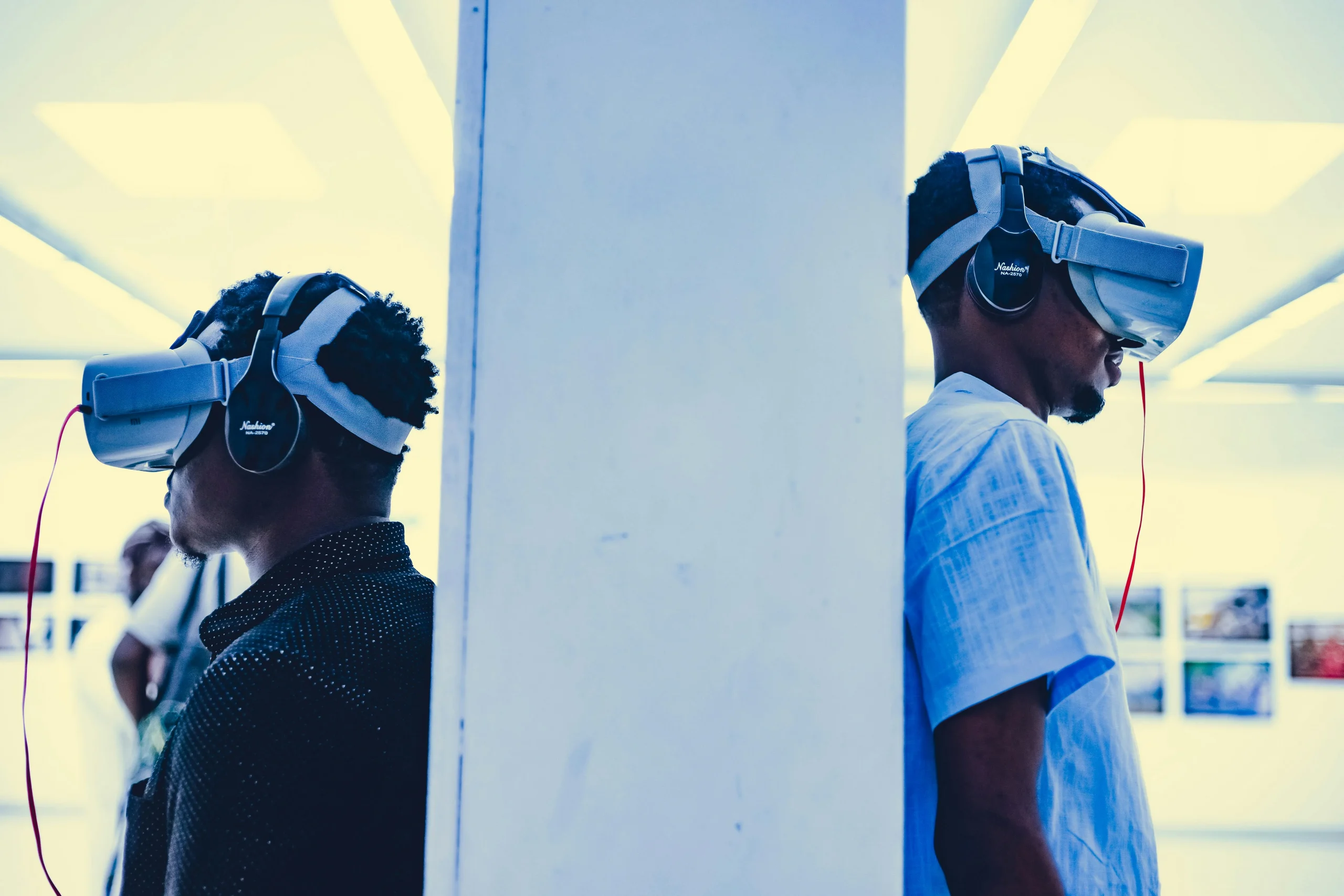
Modern cognitive behavior research is undergoing a profound digital transformation, utilizing virtual reality (VR) to bridge the gap between sterile laboratory settings and the messy, often unpredictable nature of real-world human interaction.
By building hyper-realistic, immersive environments, scientists can now observe psychological triggers and behavioral responses with a level of ecological validity that was previously a pipe dream.
In 2026, the integration of biometric sensors and high-fidelity headsets allows researchers to simulate complex social scenarios without the ethical or logistical nightmares of physical staging.
This article explores how VR is reshaping our understanding of the human mind, from deconstructing phobias to analyzing the silent mechanics of decision-making.
We are moving toward a point where the “virtual” and the “behavioral” are no longer separate categories. Understanding these advancements is crucial for anyone navigating the intersection of mental health and human-computer interaction.
What is the role of VR in cognitive behavior research?
Virtual reality serves as a sophisticated sandbox where researchers can manipulate variables that are otherwise impossible to touch in the physical world.
It provides a unique “middle ground” between subjective self-reporting, which is notoriously unreliable, and objective behavioral observation.
Scientists use these environments to place participants in high-stress or socially complex situations while monitoring their physiological responses in real-time.
Traditional methods often rely on imagination or 2D stimuli, which rarely trigger an authentic fight-or-flight response.
In contrast, VR engages the vestibular and visual systems so convincingly that the brain treats the experience as a genuine threat or opportunity.
This level of immersion allows for a deeper dive into the mechanics of habit formation and emotional regulation across diverse populations.
By standardizing the “experience,” researchers ensure that every participant faces an identical set of stimuli, stripping away the noise of environmental interference.
This consistency is vital for replicating studies and building a robust body of evidence. As hardware becomes more accessible in 2026, the scale of these longitudinal studies is finally moving from elite university labs directly into clinical practice.
How does VR improve the treatment of anxiety disorders?
Therapists have long used exposure therapy to help patients confront their fears, but VR adds a layer of safety and customization that was previously unattainable.
Instead of taking a patient with a fear of heights to a real skyscraper, which is risky and impractical, a researcher can simulate the experience in a controlled office setting.
The researcher can adjust the height of the virtual platform or the intensity of the wind, allowing for a perfectly calibrated “graded exposure.”
This prevents the patient from becoming overwhelmed while ensuring the brain learns to process the fear effectively.
Recent studies highlighted by the National Institute of Mental Health (NIMH) show that VR-assisted therapy often leads to faster recovery times compared to traditional “imaginal” methods.
Beyond phobias, VR is increasingly used to treat social anxiety by simulating job interviews or public speaking events.
Read more: Emotion-Aware Learning Games That Adapt to Children’s Stress Levels
Participants can practice social cues and eye contact with avatars that respond dynamically to their voice and posture.
This repetitive, safe practice builds neural pathways of confidence that eventually translate into the participant’s real-world social interactions and professional life.
Why is ecological validity crucial for modern psychological studies?
A recurring criticism of traditional cognitive behavior research is that human behavior in a sterile, white-walled lab rarely reflects behavior in a grocery store or a crowded city street.
Ecological validity refers to the extent to which research findings can actually be generalized to real-life settings.
There is something inquietante about how much of our psychological “canon” was built in rooms that look nothing like the world we live in.
VR solves this “generalizability” problem by recreating the messiness of life within a digital frame.
Researchers can study how a person with ADHD manages distractions in a virtual classroom that looks and sounds exactly like a real one.
This provides much more accurate data on functional impairments and the effectiveness of various cognitive interventions.
Learn more: How to Design VR Environments for Neurodiverse Users (Autism, ADHD, Sensory Sensitivities)
Furthermore, the ability to record 360-degree data on every movement, where the participant looks, how long they hesitate, and their physical proximity to avatars, provides a granular level of detail.
This “behavioral fingerprinting” helps researchers identify subtle patterns that a human observer might miss during a standard live session or a video recording.
Comparison of Traditional vs. VR-Based Research Methods
| Research Feature | Traditional Lab Methods | VR-Enhanced Research (2026) | Impact on Results |
| Environmental Control | High but artificial | Absolute and realistic | Better variable isolation |
| Participant Safety | Dependent on physical setup | Guaranteed by software | Higher ethical standards |
| Data Granularity | Manual observation | Automated sensor tracking | Massive, objective datasets |
| Cost of Scenarios | High (travel/logistics) | Moderate (software-based) | Increased study frequency |
| Emotional Trigger | Low (uses imagination) | High (uses presence) | Authentic neural responses |
Which social behaviors are best studied through digital immersion?
Empathy and implicit bias are two areas where VR has proven exceptionally transformative. Through “embodiment” techniques, a participant can “inhabit” an avatar of a different race, gender, or age.
This perspective-shifting has shown measurable success in reducing unconscious prejudice and increasing understanding of marginalized experiences. It is one thing to read about bias; it is quite another to experience it in a virtual skin.
Researchers also use VR to study altruism and the “bystander effect” in emergency simulations. It would be unethical to stage a real fire or accident to see who helps, but a virtual simulation allows scientists to observe these instinctual choices safely.
The data gathered helps in designing better public safety training and understanding the limits of human cooperation.
In 2026, the focus has shifted toward “Social VR,” where multiple participants interact within the same virtual space.
This allows for the study of group dynamics, leadership emergence, and the spread of misinformation in real-time.
By observing how digital “mobs” form or how individuals resist peer pressure in VR, scientists can develop strategies to mitigate negative social behaviors offline.
What are the technical challenges facing VR in psychology?
Despite the rapid progress, “cybersickness” remains a hurdle for a small percentage of the population, potentially skewing data if certain demographics are excluded from studies.
Researchers must balance the need for high-fidelity graphics with the processing power required to maintain a seamless, lag-free experience. If the frame rate drops, the illusion breaks and the participant gets nauseous.
Data privacy is another significant concern as cognitive behavior research begins to collect sensitive biometric information.
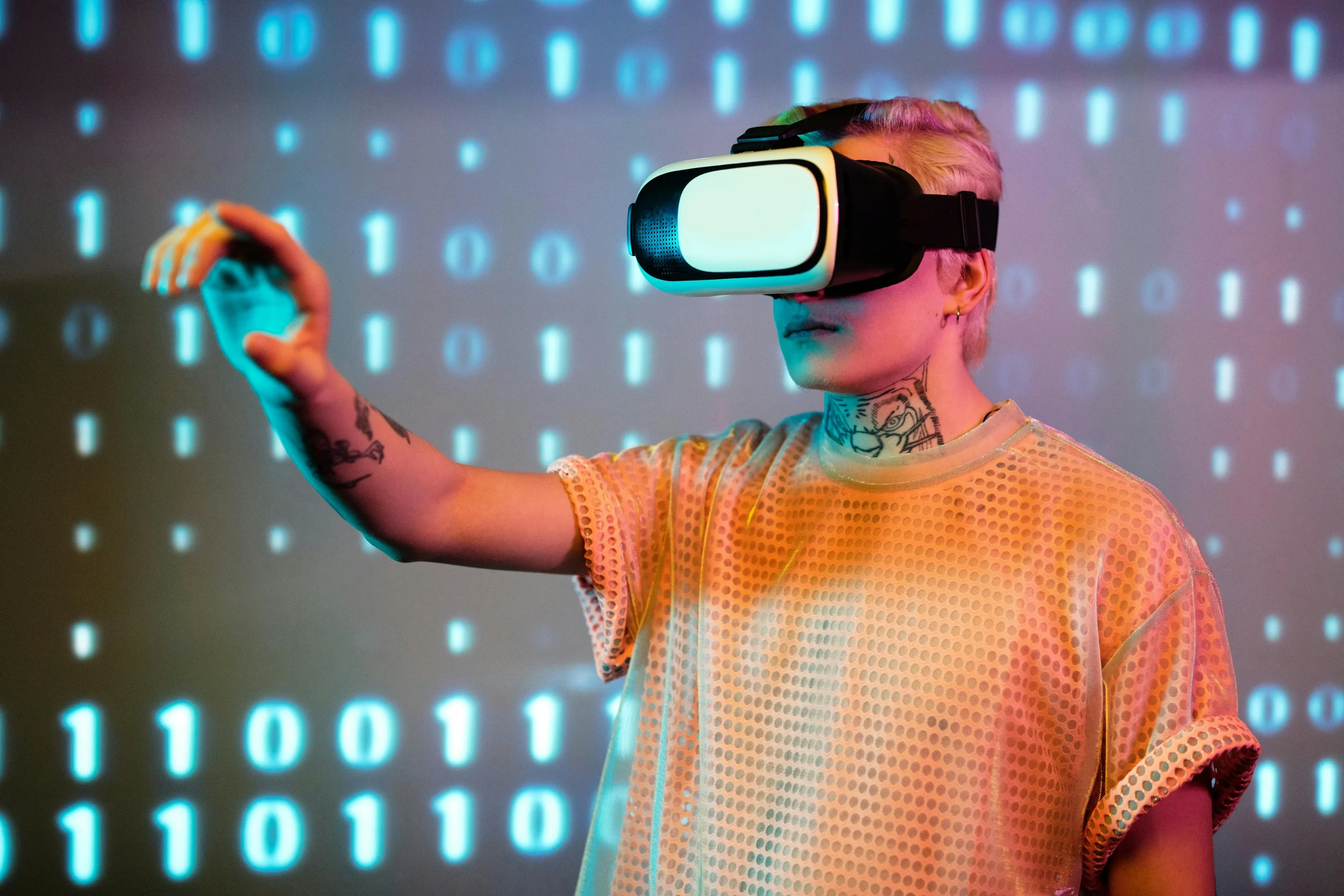
Headsets can now track pupillary dilation and subtle facial muscle movements, which are incredibly revealing of a person’s emotional state.
Protecting this “mental privacy” is a primary focus for ethics boards as we move deeper into the decade.
The cost of high-end haptic suits and omnidirectional treadmills also limits some research to well-funded institutions.
However, as the 2026 consumer market matures, more affordable “standalone” headsets are becoming sophisticated enough for valid clinical use.
This democratization of the hardware is allowing for more diverse participant pools, which is essential for global psychological health.
The path forward: Adaptive and AI-driven behavioral models
The next frontier lies in “Closed-Loop” VR systems that use artificial intelligence to adapt the environment in real-time based on user biofeedback.
If a participant’s heart rate spikes too high, the AI can subtly de-escalate the scenario to keep them in the “productive learning zone.”
Learn more: Volumetric Video in VR: How Real People Are Scanned and Added to Immersive Spaces
This moves us away from one-size-fits-all experiments toward hyper-individualized digital medicine.
As we look toward the end of 2026, the line between virtual and physical behavior continues to blur. VR is no longer a novelty; it is a fundamental telescope for the human soul, allowing us to see patterns of thought and action that were previously hidden by the limitations of the physical lab.
By embracing these immersive tools, we aren’t just observing behavior we are finding more compassionate ways to improve the human condition.
For those following the evolving ethical guidelines of these digital trials, the American Psychological Association (APA) remains the primary resource for practitioners and researchers.
The data we collect today will build a more empathetic world tomorrow, provided we treat the digital mind with the same respect as the physical one.
FAQ: Frequently Asked Questions
Is VR behavior truly representative of real-world actions?
Yes, studies consistently show a high correlation. The brain’s limbic system, which handles survival instincts, reacts to “presence” in VR even when the conscious mind knows the environment is digital.
Can VR research be used to diagnose mental health conditions?
In 2026, VR is an essential diagnostic aid for ADHD, autism, and early-stage dementia. By placing patients in functional tasks, doctors can observe specific cognitive deficits that traditional pen-and-paper tests often overlook.
Does VR therapy replace traditional psychologists?
Not at all. It’s a tool that enhances the therapist’s work. Interpreting data and providing emotional support still requires the “human element” that software cannot replicate.
Are there long-term side effects to VR immersion?
Current research indicates no long-term negative effects when managed by professionals. Most participants return to their baseline state within minutes of removing the headset.
How is the data from VR research stored?
Data is typically encrypted and anonymized. However, as “biometric signatures” become more unique, new protocols are being developed to ensure this sensitive data cannot be traced back to individuals.
